Energy Problems
A heat pump high electric bill in Parker usually lands in January, when a cold snap sends the system into long runs. Some increase is normal in deep cold. A bill far above last winter's, though, often means the backup heat strips are doing work the heat pump should be doing. If the checks below do not explain it, call and we connect you with an independent local contractor.
Call (303) 647‑3227 →Related Pages
Hidden Causes
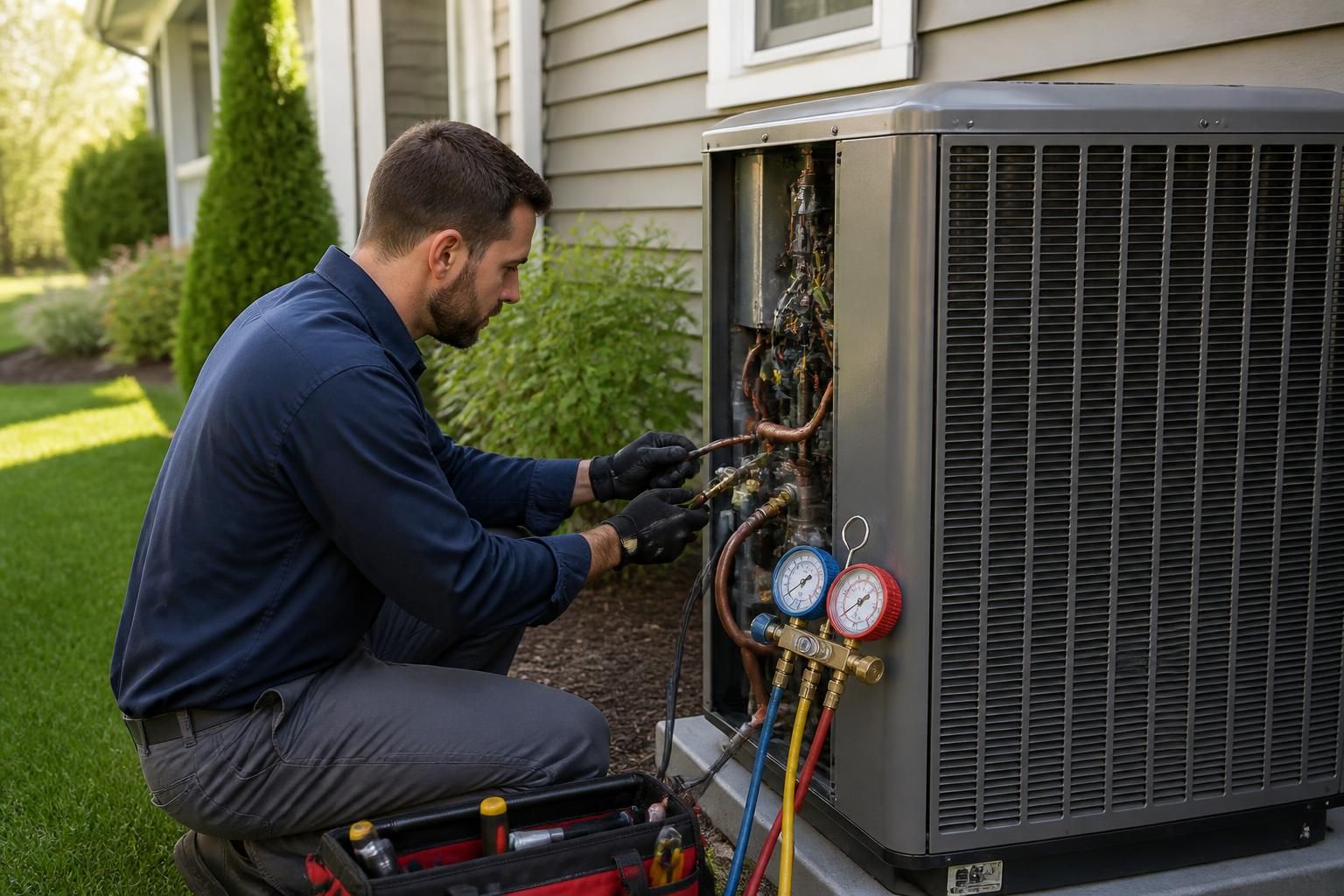
A heat pump moves heat rather than making it, so it uses much less electricity than resistance heat. Anything that forces the system onto its backup strips or makes it run inefficiently shows up on the meter. These four heat pump problems are the most common culprits.
✓
Backup heat running too often. Emergency Heat left on, deep thermostat setbacks or a mis-set auxiliary heat lockout can bring the electric strips on when the heat pump could handle the load.
✓
Low refrigerant. A slow leak reduces how much heat the system can move, so it runs longer and calls on backup heat sooner.
✓
Dirty filter or coils. Restricted airflow at either coil cuts efficiency. The system runs longer for the same comfort.
✓
Excess defrost or a stuck valve. A defrost control that cycles too often, or a reversing valve leaking internally, burns energy without heating the house well.
Parker Winters
Most Parker homes buy power from Xcel Energy, and some from CORE Electric Cooperative. Compare usage in kilowatt hours, not just the total, against the same month last year. In a cold snap well below zero, an older heat pump at this altitude loses capacity and the backup strips carry more of the load. That is expected. A jump in a mild month is not.
Do not set the thermostat way down overnight and crank it up in the morning. On many systems that recovery brings the backup strips on for an hour or more. Do not leave the system on Emergency Heat after a problem is fixed. And do not block the outdoor unit with covers or snow piles to protect it.
A high bill is rarely an emergency, but it can be the first sign of a leak or failing part that gets worse. If the AUX or EM light shows on your thermostat most of the day in mild weather, have it checked. Our page on thermostat problems covers backup heat settings.
Call (303) 647‑3227 →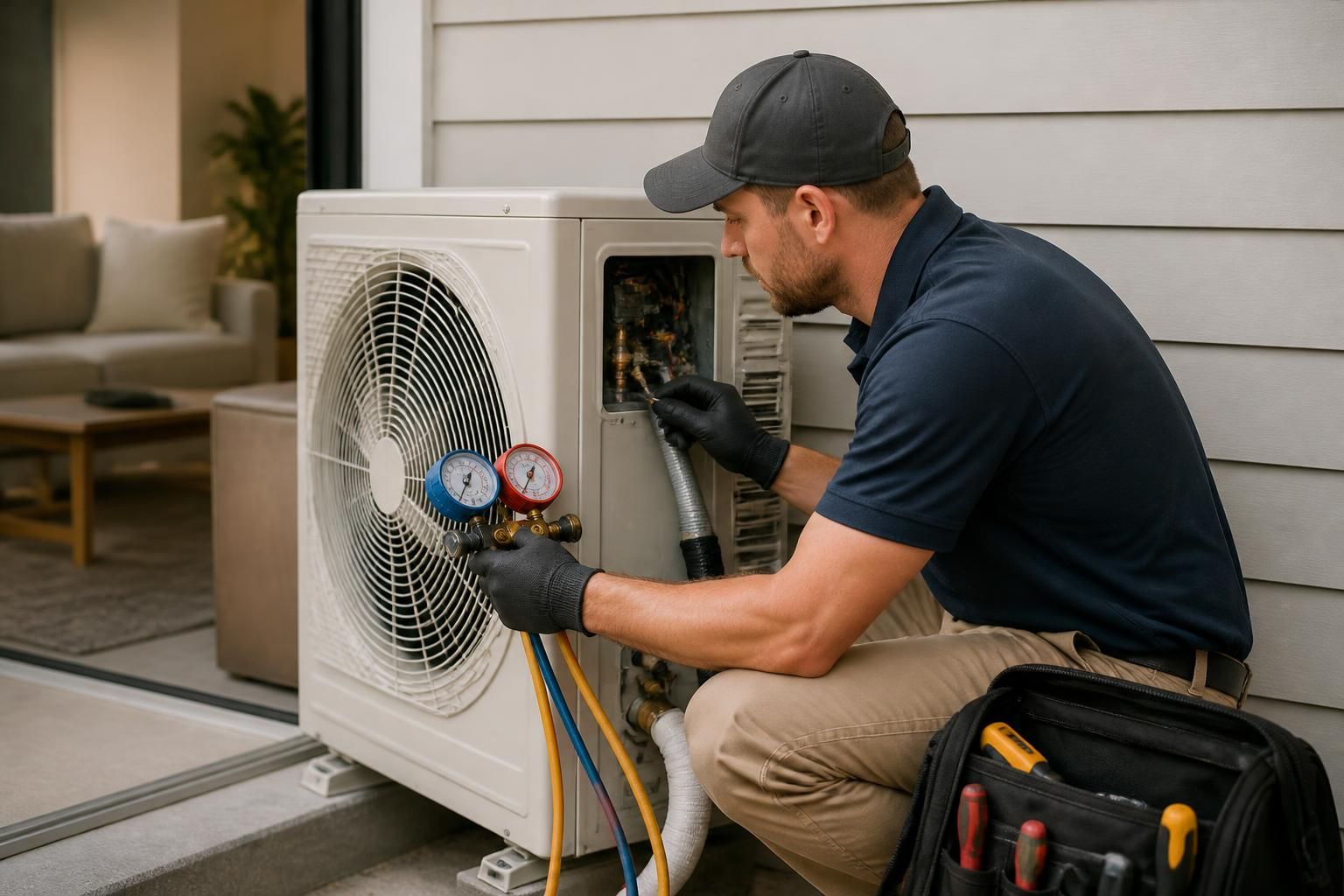
Easy Checks
01
Make sure the thermostat is on Heat, not Emergency Heat, and watch how often the AUX indicator shows during a mild afternoon.
02
Try a smaller overnight setback of a couple of degrees so morning recovery does not lean on the backup strips.
03
A clean filter restores airflow. In a dusty Parker summer or a long heating season, check it monthly.
Service Areas
Calls about rising bills come from all corners of Parker, including larger homes in Stonegate and Stroh Ranch with long duct runs. The line also connects homeowners in Lone Tree, Centennial and Franktown with an independent local contractor.
FAQ
Start Here
A leak or a backup heat problem can drain money every day it goes on. We connect you with an independent local contractor who checks heat pumps around Parker. Call (303) 647-3227.
Call (303) 647‑3227 →