Heat Pump Types
Geothermal heat pump repair is a narrower trade than standard heat pump work. A geothermal system trades heat with the ground through a buried loop, so nothing outside ices over, but the loop, pumps and indoor unit bring their own faults. If yours locked out or stopped heating in Parker, call and the line will try to connect you with a contractor who works on geothermal.
Call (303) 647‑3227 →Related Pages
Geothermal Faults
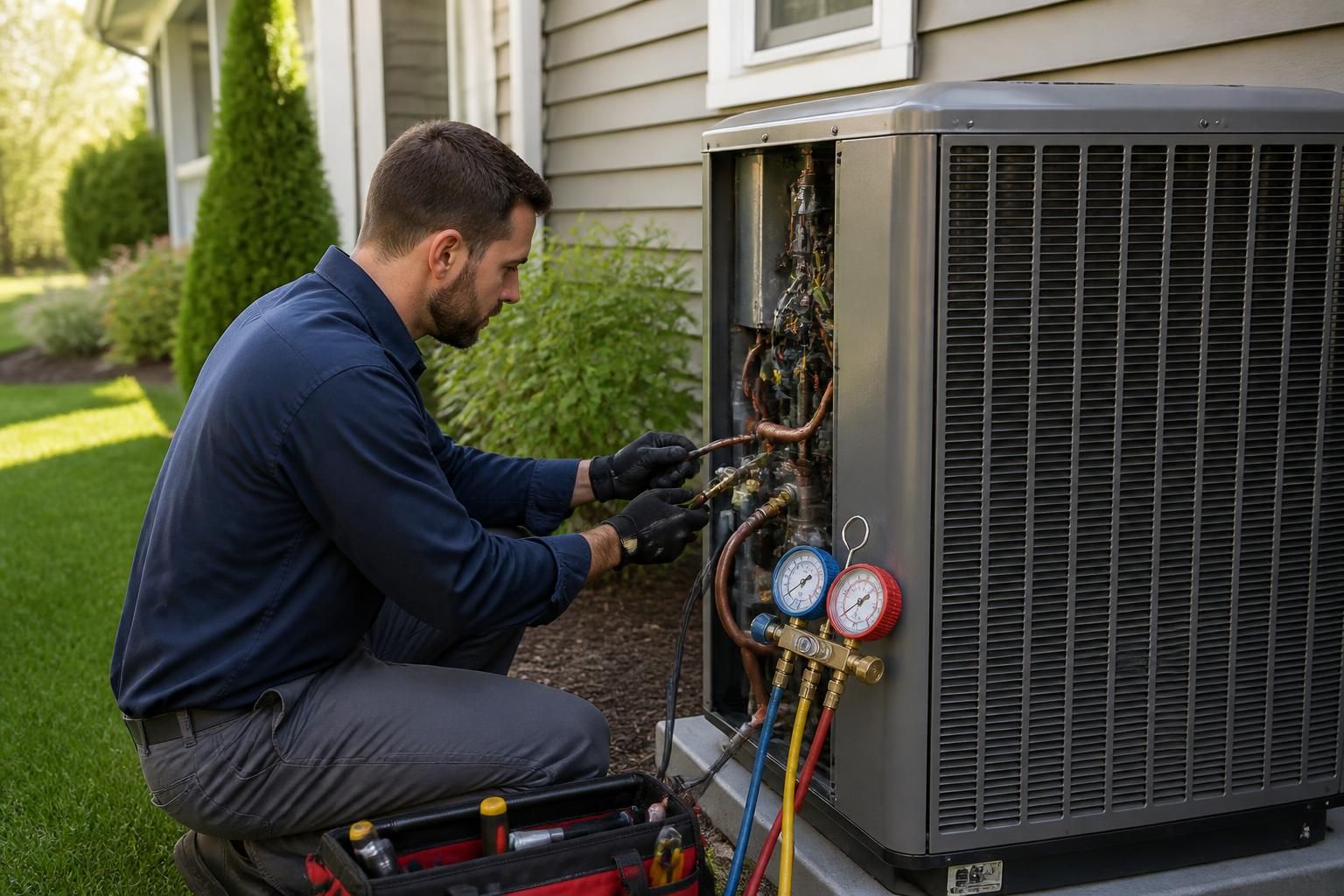
A geothermal heat pump sits indoors and pumps fluid through pipe buried in the yard or drilled deep into the ground. The ground stays at a steady temperature all year, which keeps the system efficient. When something goes wrong, it is usually in the loop, the pumps that move fluid through it, or the indoor unit itself.
✓
Loop pump failure. The circulating pump pushes fluid through the ground loop. If it fails or weakens, the unit senses low flow and locks out to protect itself, and the heat stops.
✓
Low loop pressure or antifreeze. Closed loops carry water mixed with antifreeze. A slow leak, air in the loop, or the wrong antifreeze mix can trigger lockouts or let the fluid get too cold in deep winter.
✓
Desuperheater problems. Many systems send spare heat to the water heater through a desuperheater. A failed desuperheater pump or a scaled heat exchanger cuts that hot water help and can add noise.
✓
Compressor and controls. The compressor, expansion valve and control board work much like other heat pumps. Lockout codes point toward which part failed. See compressor problems.
Fewer Contractors
Geothermal makes up a small share of the heat pumps around Parker, and the work calls for tools and training that many shops do not keep. Checking loop flow and pressure, purging air from the loop, and testing antifreeze strength are tasks a standard heat pump service call does not cover.
Not every contractor works on geothermal, so your call is routed with that in mind. The line cannot promise that a geothermal contractor will be available for every call, and it will not pretend otherwise. If the contractor you reach does not handle ground loops, they can tell you so at the start.
It helps to have the details ready. Note the brand and model on the indoor unit, whether the loop is closed or open, whether it runs in vertical bore holes or horizontal trenches if you know, and any lockout code or light. If the original installer left paperwork, keep it near the phone.
Call (303) 647‑3227 →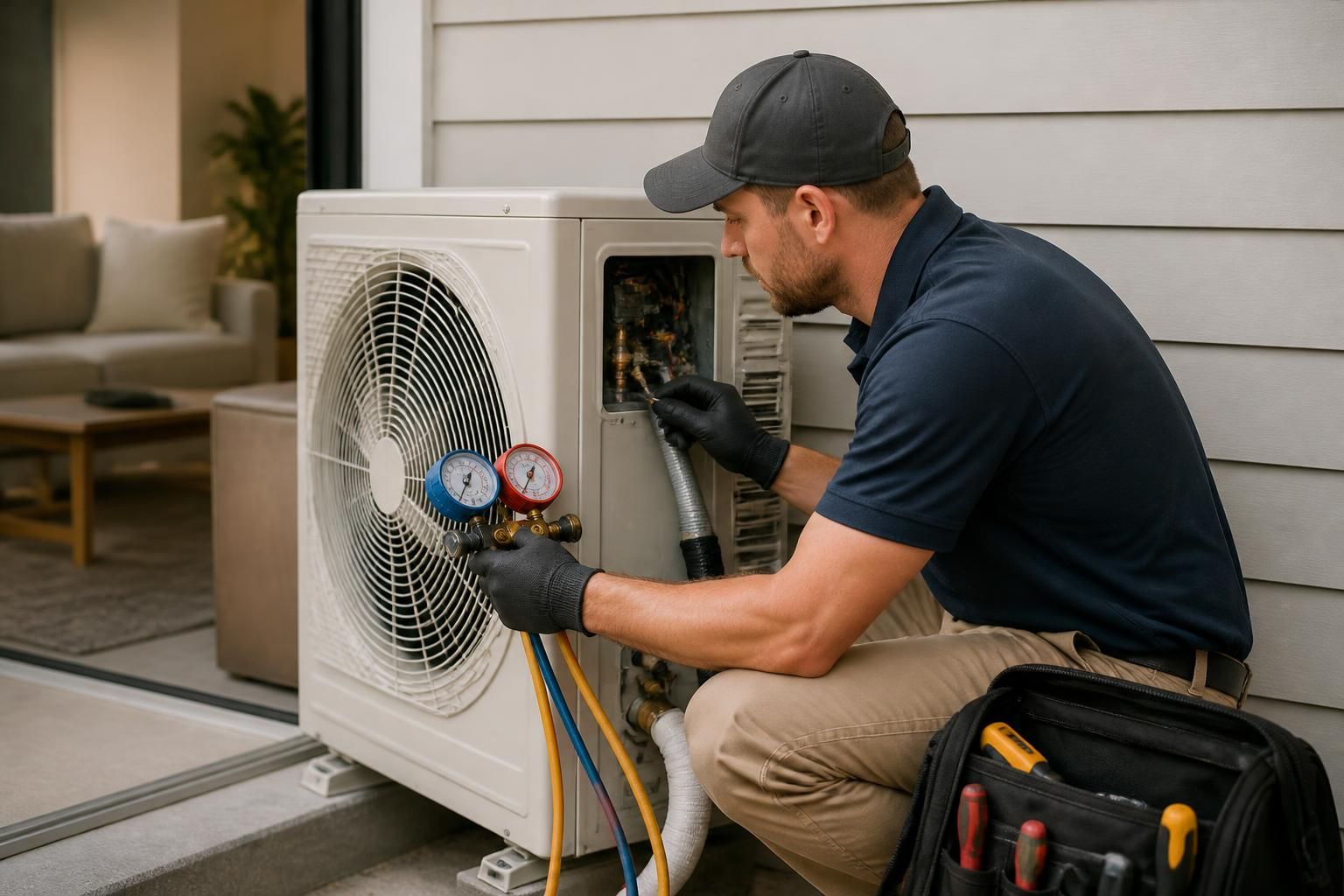
Safe Checks
01
Many geothermal units show a fault code or blinking light when they lock out. Write it down before anything resets it, since it points to the cause.
02
If the breaker for the unit tripped, reset it one time. A second trip means a real fault, so leave it off and call rather than resetting again.
03
Do not add water or antifreeze, bleed air, or turn valves on the loop piping. Changing the loop fluid without test equipment can create a bigger problem.
Service Areas
Horizontal loops need room for trenches, so many geothermal systems sit on larger lots. The line takes calls from Parker, Franktown, Elizabeth, Larkspur and Sedalia, and routes each one toward a contractor whose work covers ground loops when one is available.
FAQ
Start Here
Have the brand, model and any fault code ready. Your call is routed toward an independent local contractor who works on geothermal around Parker when one is available. Call (303) 647-3227.
Call (303) 647‑3227 →