Heat Pump Types
A cold climate heat pump uses a variable-speed inverter compressor to keep heating long after an older unit would give up. Parker winters test that, with subzero snaps and thin air at about 5,900 feet. If yours throws an error code, loses output in the cold, or builds ice it cannot shed, call to reach an independent local contractor who works on inverter systems.
Call (303) 647‑3227 →Related Pages
Inverter System Faults
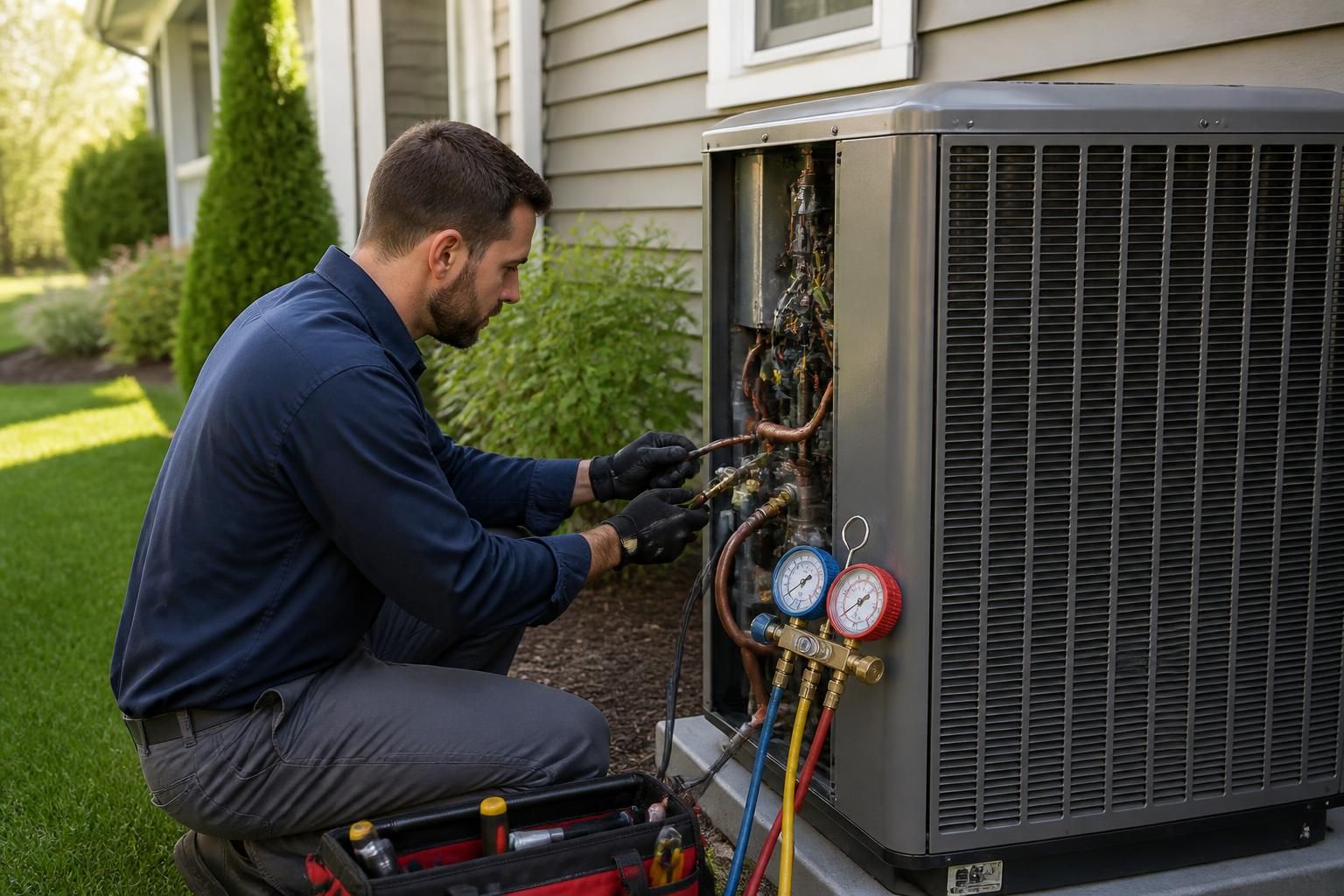
Cold climate models do more work at low temperatures than standard units, and the parts that make that possible are the ones that need attention. Inverter electronics, extra sensors and heaters in the outdoor unit all add capability, and all add things that can fail when it is ten below and the system is running hard.
✓
Inverter board faults. The inverter drive controls compressor speed. A power surge from a summer storm or a failing component can stop the board, and the unit shows an error code instead of heating.
✓
Base pan heater failure. Many cold climate units have a small heater in the base of the outdoor unit that keeps defrost water from refreezing. If it fails, ice builds from the bottom and can jam the fan.
✓
Sensor problems. These units read outdoor, coil and discharge temperatures to set speed and defrost timing. One bad sensor can cause constant defrosts or a shutdown on the coldest night.
✓
Low charge from a slow leak. An inverter system can mask a slow leak by running faster for longer. By the time output drops in a cold snap, it may have been losing refrigerant for months. Read more on refrigerant leaks.
Low-Ambient Operation
A standard single-speed compressor runs at full speed or not at all. An inverter compressor speeds up and slows down to match the load. On a cold night it can run above its normal rated speed, which is how cold climate units hold on to more of their heating output as the temperature falls.
Output still drops as it gets colder, and altitude takes a little more. At about 5,900 feet the outdoor fan moves air that is less dense, so the coil collects less heat per pass than the same unit would at sea level. A system sized tightly from sea-level numbers may come up short on the coldest nights.
That is why it matters whether the unit is failing or simply at its limit. A contractor can compare what the system is producing against what the manufacturer lists for that outdoor temperature. If it falls well short, there is a fault to find. If it matches, the answer may be backup heat rather than repair.
Call (303) 647‑3227 →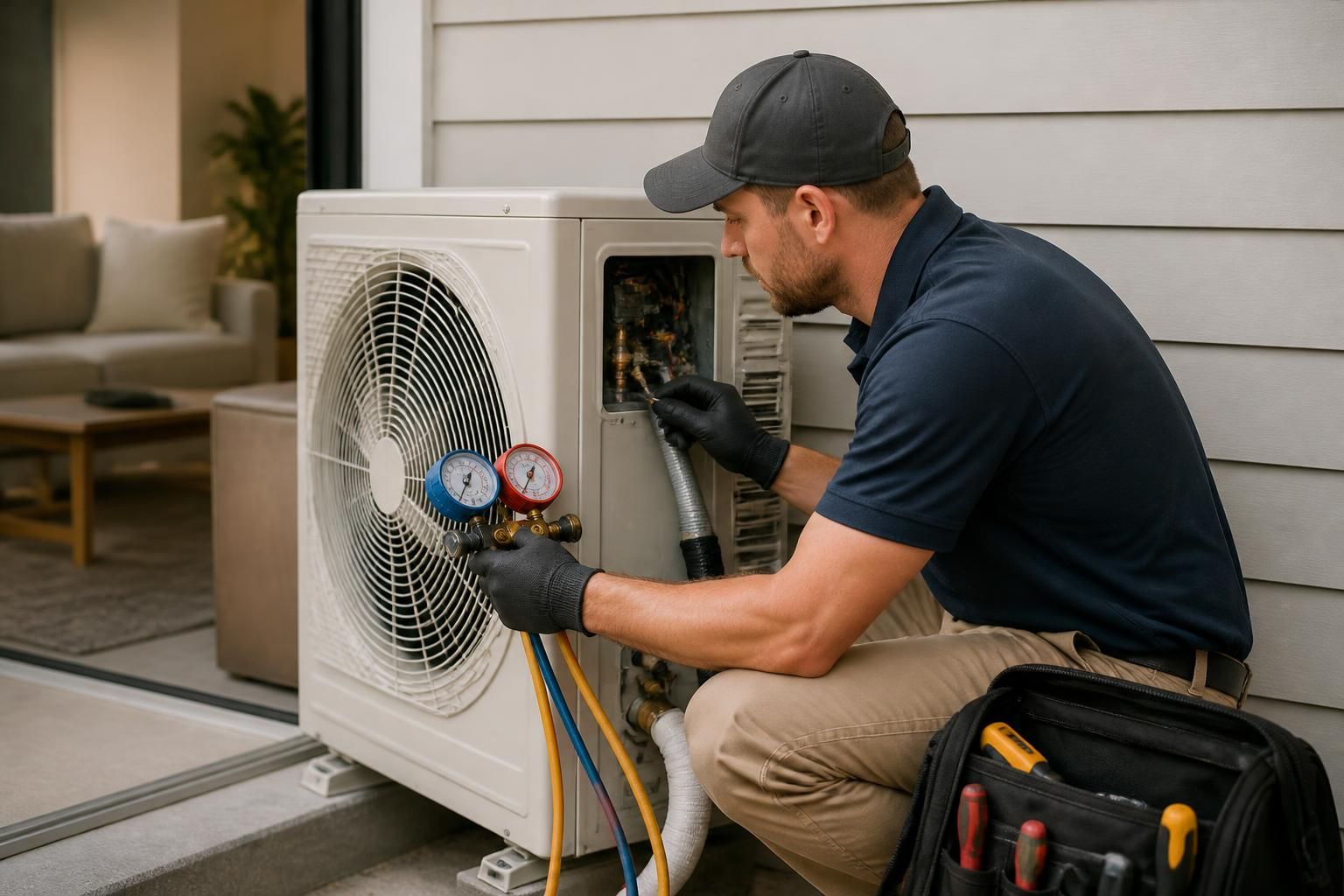
Cold Weather Checks
01
Keep the outdoor unit clear of snow on top and along the sides, and make sure drifts are not blocking the coil. Use a soft brush, never a tool or hot water.
02
Every so often the outdoor unit should pause, steam and clear its frost. If ice keeps growing from the bottom of the unit and never clears, turn it off and call.
03
If the indoor head, air handler or thermostat shows a code, write it down with the model number. Cycling the power can clear the code before anyone sees it.
Service Areas
Higher ground toward Castle Pines and the open country east toward Elizabeth and Franktown can see harder wind and colder nights than town. The line takes calls from all of them, along with Parker, Lone Tree and Highlands Ranch.
FAQ
Start Here
Write down any code and the outdoor temperature if you can. Your call goes to an independent local contractor around Parker who works on inverter heat pumps. Call (303) 647-3227.
Call (303) 647‑3227 →