Valve Problems
The heat pump reversing valve is the part that lets one machine both heat and cool. It redirects refrigerant flow when you switch modes and every time the unit defrosts. When it sticks or its solenoid fails, the system can blow cold air in winter or warm air in summer. If that sounds like your Parker home, call and we connect you with an independent local contractor.
Call (303) 647‑3227 →Related Pages
How It Fails
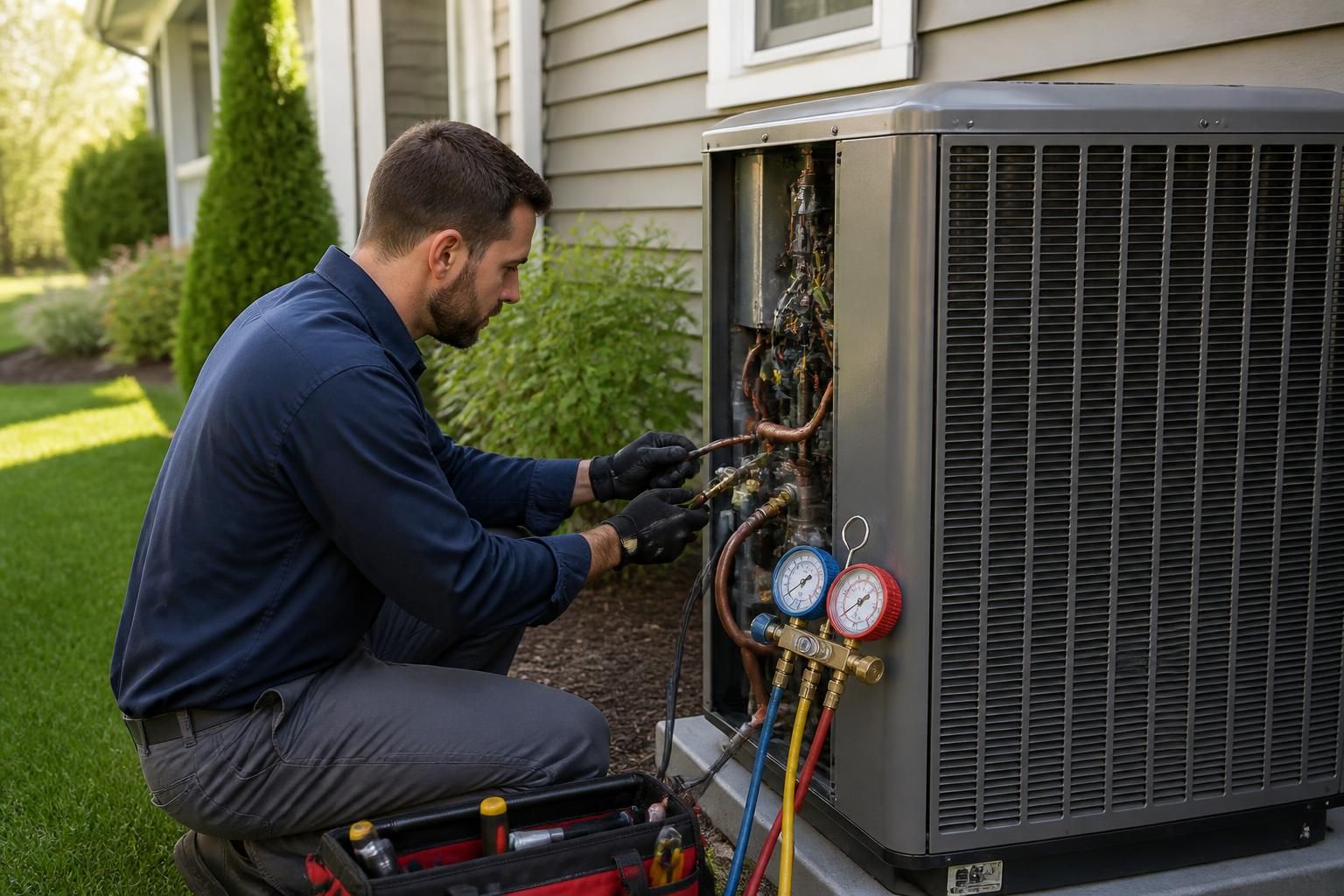
The valve has a sliding piece inside that shifts when a small electric solenoid coil pulls a pilot valve. The thermostat powers that coil through its O or B terminal. Problems come from the controls, the coil or the valve body itself, and these four are the most common valve faults.
✓
A failed solenoid coil. The electric coil on the valve can burn out. Without it, the valve stays in its default position, which is heating on most brands and cooling on a few.
✓
A wrong O/B thermostat setting. If the thermostat energizes the valve for the wrong mode, the system heats when you ask for cool. This often shows up after a thermostat swap.
✓
A stuck slide inside the valve. Debris, sludge after a compressor burnout or wear can stop the slide moving, leaving it stuck in one mode or partway between.
✓
Low system pressure. The valve needs a pressure difference to shift. A low refrigerant charge can stop it moving fully, causing weak, lukewarm air.
Valve Trouble
Parker heat pumps switch modes more than most. Spring and fall bring warm afternoons and freezing nights, and some homes need heat in the morning and cooling by four o'clock. Winter adds frequent defrost cycles, and each one shifts the valve twice. All that movement puts real mileage on the valve and its solenoid.
Do not tap on the valve or the copper lines with a hammer or wrench to loosen it. That old trick can crack brazed joints and start a leak. Do not change wiring at the thermostat or the outdoor unit. Checking the thermostat mode is fine; anything behind a panel is contractor work.
It becomes urgent in winter if the system blows cold air and the backup heat cannot hold the house, or if the unit cannot defrost and ices over. Replacing the valve body is a brazing job that needs the refrigerant recovered first, so a solenoid or setting fix is checked first. See our thermostat problems page for wiring settings.
Call (303) 647‑3227 →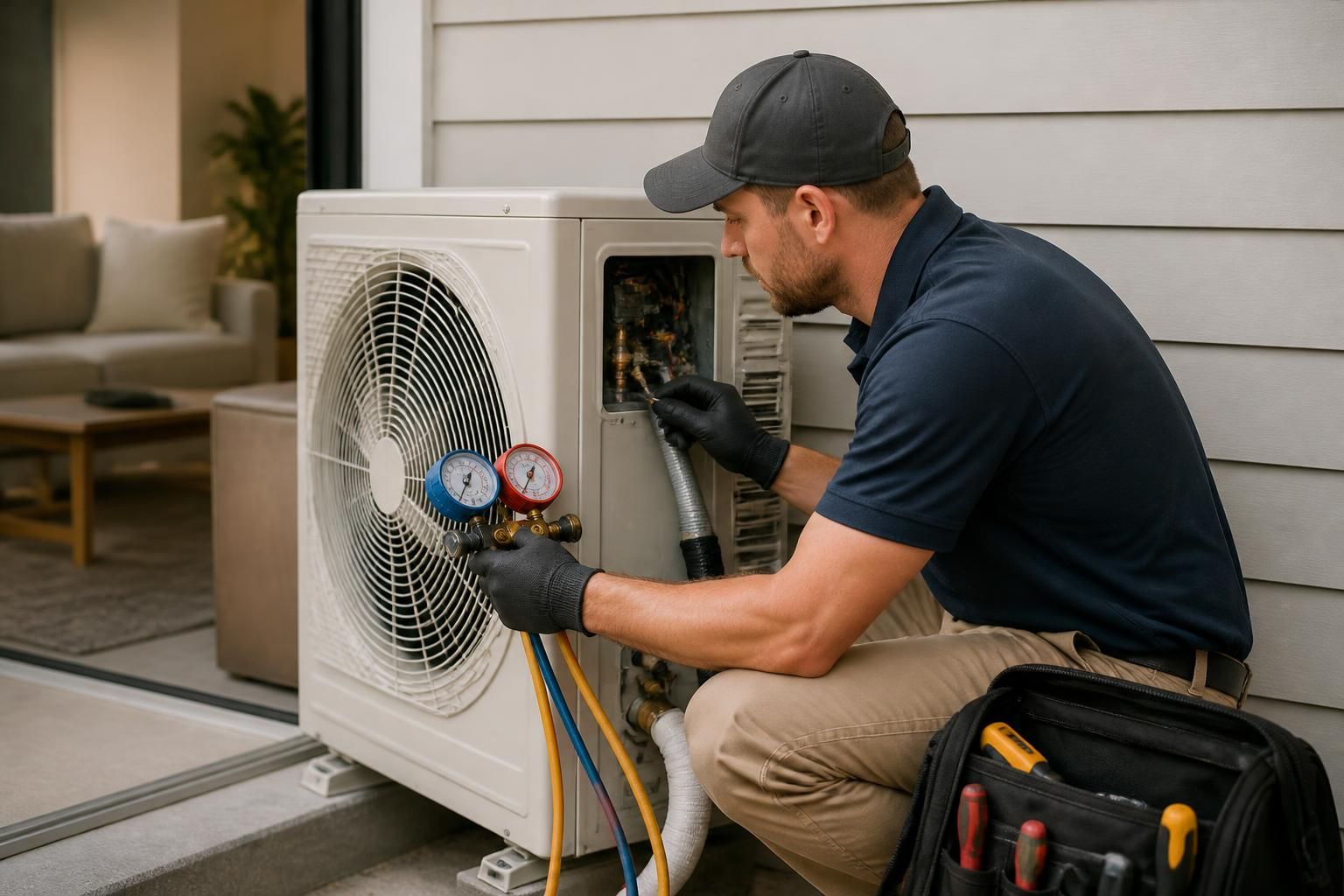
Safe Checks
01
Change from Heat to Cool with a few minutes between. A healthy valve makes a single whoosh outside as it shifts. Silence is worth noting.
02
In heat mode the air should feel warm, in cool mode cool. Air that matches the wrong mode, or stays lukewarm either way, points toward the valve.
03
Think back to any new thermostat or wiring work. Tell the contractor, because a wrong O/B setting looks just like a stuck valve.
Service Areas
Valve problems show up in older and newer homes across Parker alike. The line also takes calls from Foxfield, Greenwood Village, Highlands Ranch and Sedalia, and each call goes to an independent local contractor who works on heat pump valves.
FAQ
Start Here
A wrong setting, a coil or the valve itself can be the culprit, and testing tells which. Call the line and we connect you with an independent local contractor in Parker. Call (303) 647-3227.
Call (303) 647‑3227 →